UVA vs UVB: What's the Difference?
Sunlight reaches skin as a mix of wavelengths, and two — UVA and UVB — are the primary focus of sunscreen formulation. They behave differently, and broad-spectrum protection is designed to address both.
UVB: the burn ray
UVB rays are more associated with surface-level effects like sunburn and are the primary focus of the SPF rating. Their intensity varies more by season, time of day and geography.
UVA: the aging ray
UVA rays penetrate deeper into the skin, are more consistent throughout the day and year, and can pass through window glass. PA ratings (such as PA++++) are used in many regions to indicate a product's UVA protection level.
Why broad-spectrum matters
A sunscreen labeled broad-spectrum, or one showing both an SPF and a PA rating, is formulated to address both UVA and UVB — which is why DERMISCIA's Solerix formulations carry both an SPF and a PA rating rather than SPF alone.
FAQ
Both are relevant to skin health in different ways; dermatological guidance generally recommends protecting against both, which is what broad-spectrum, PA-rated sunscreens are designed to do.
Related products
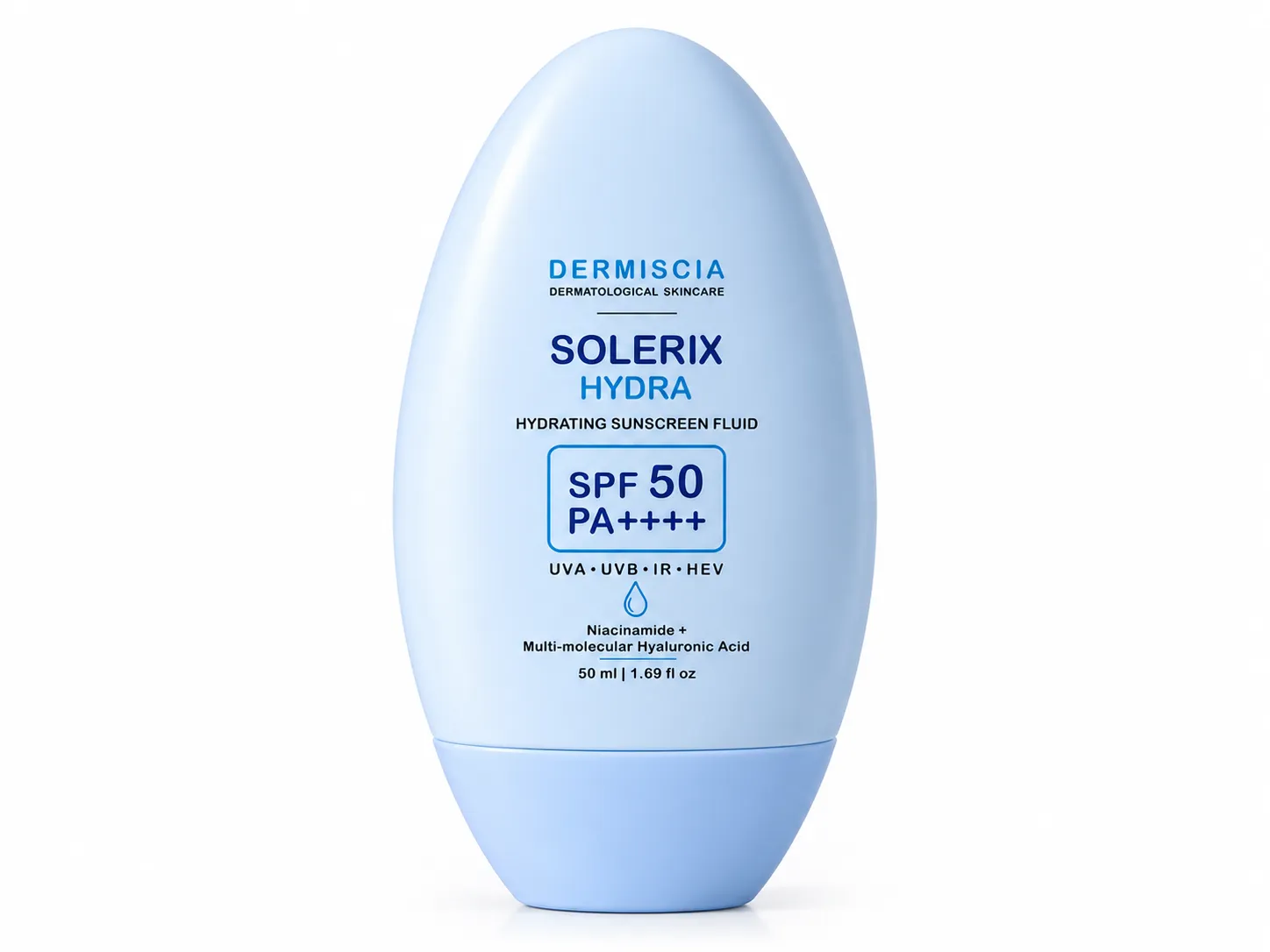
Hydrating Sunscreen Fluid
MRP ₹1,199
Protection That Hydrates.
SPF 50 · PA++++
Multi-Molecular Hyaluronic Acid
Niacinamide
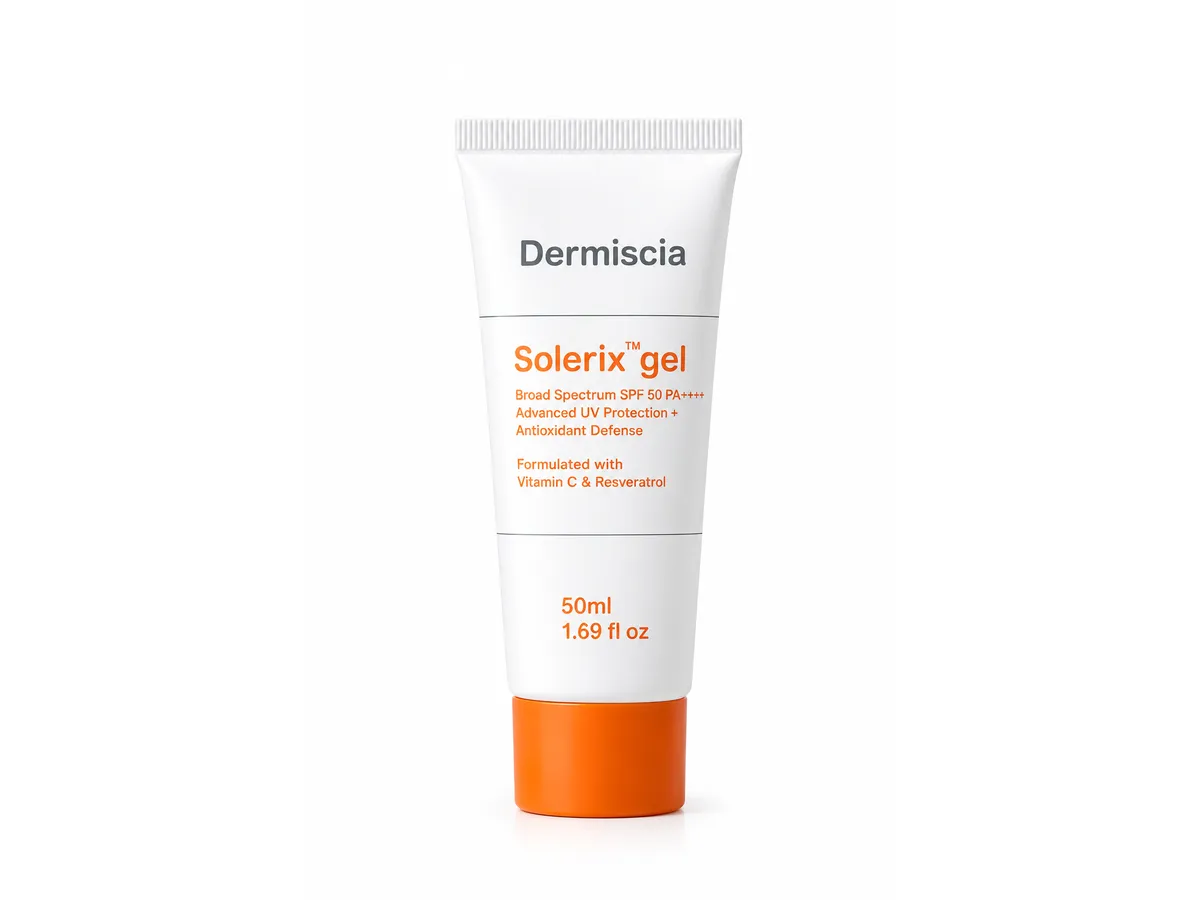
Broad Spectrum SPF 50 PA++++
MRP ₹799
Advanced UV Protection + Antioxidant Defense
SPF 50 · PA++++
Vitamin C
Resveratrol